
When people think about leadership, they often picture the person at the front of the room — the one with the title, the biggest results, or the loudest voice. I understand why. For much of my early career, I thought of leadership the same way. But more than three decades in banking, financial services, entrepreneurship, and community service have taught me something different. The greatest measure of a leader is not simply how far that leader goes. It is how many people grow because that leader was willing to teach, mentor, encourage, and create opportunities for them.
Leadership Is Not About Titles
As a branch manager in Nepal, I learned that leadership meant being responsible for more than my own performance. I was responsible for people, for results beyond myself, and for the trust our clients placed in us. A title gave me authority, but it did not make me a leader. What made the difference was whether the people around me became more capable over time.
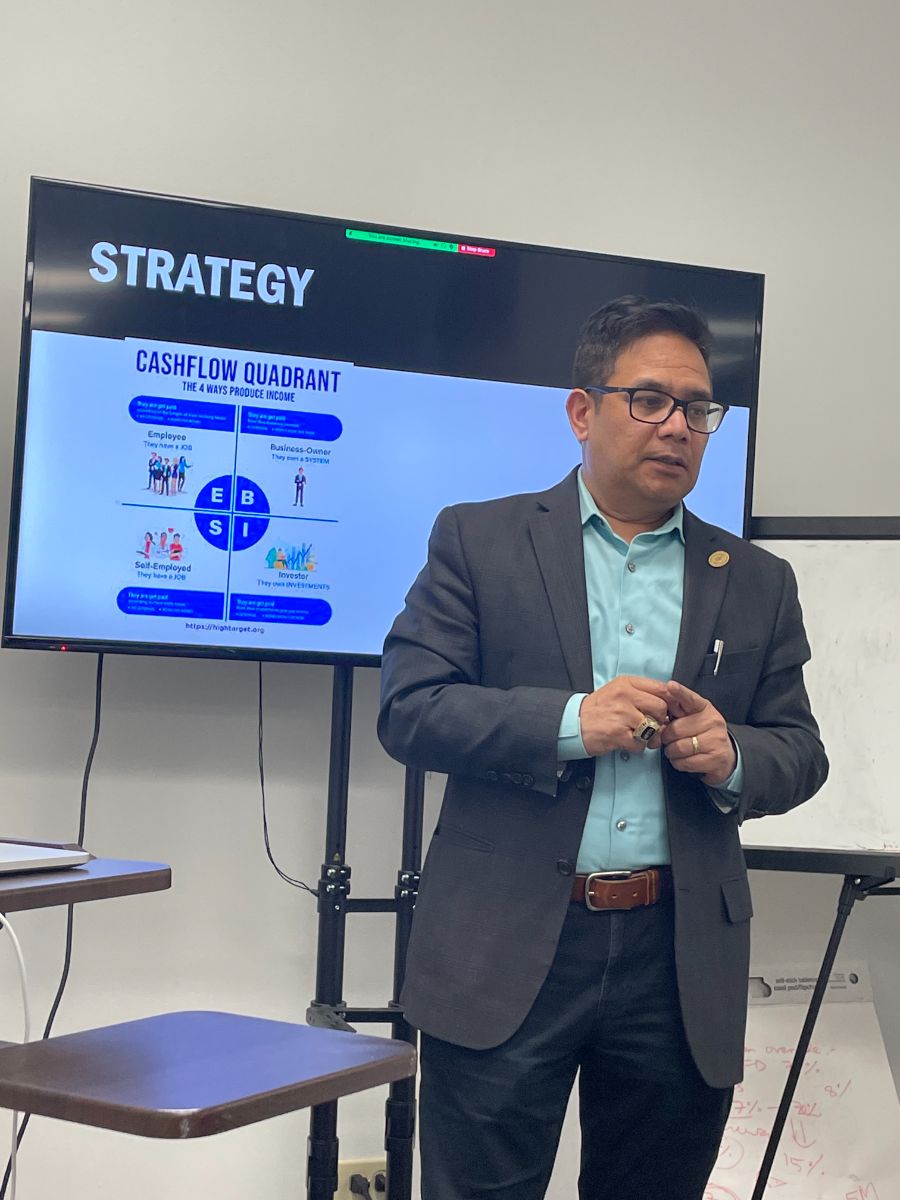
Later, when I began training and mentoring financial professionals in the United States, that lesson became even clearer. A leader who produces great results alone has done something good. A leader who helps ten other people learn to produce results has done something much greater. And a leader who helps those ten people learn to develop others has started something that can continue for generations.
Develop People, Not Followers
There is an important difference between building followers and building leaders. Followers depend on you. Leaders eventually stand on their own.
Leadership is not measured by how many people depend on you. The goal of leadership is multiplication.
It can feel good to be needed. When people come to you for every answer, it is easy to believe you are leading well. But if your team cannot make decisions without you, you have not built leaders — you have built dependence. A real leader teaches, mentors, challenges, and empowers people until they can make decisions, lead themselves, and eventually develop others.
This requires a certain humility. You have to be willing to let others try, make mistakes, and sometimes do things differently than you would. You have to be genuinely happy when someone you trained becomes successful — even when they become more successful than you.
The Habits That Make Duplication Possible
Over thousands of trainings, I have found that duplication does not happen by accident. It comes from simple habits, practiced consistently.
- Lead by example. People learn more from what you do than from what you say. If you want your team to be disciplined, prepared, and honest, they must see those qualities in you first.
- Keep it simple enough to teach. If a process only works because of your personal talent, no one else can repeat it. Build systems and habits that ordinary people can learn and pass on.
- Train by doing, not only by telling. Role-playing, practice, and working alongside people in real situations build far more confidence than lectures alone.
- Show up consistently. Training is not a one-time event. Week after week, year after year, consistent presence builds trust and skill.
- Give people responsibility early. Confidence grows when people are trusted. Let them lead a meeting, teach a lesson, or mentor someone newer than themselves.
- Celebrate the growth of others. Recognize progress publicly. When people see that growth is valued, they are encouraged to keep growing.
None of these habits are complicated. The challenge is not knowing them. The challenge is practicing them consistently, especially when it would be faster to simply do the work yourself.
Teach People to Teach
The most important step in building leaders is the one many leaders skip. It is not enough to teach someone a skill. You must also teach them how to teach that skill to someone else.
Many people I have trained begin by asking how they can become successful. That is a good starting question. But the leaders who grow the furthest eventually begin asking a different one: “How can I help the people I am training become successful?” When that question changes, their leadership changes.
I encourage every new leader to think one step beyond themselves. When you learn something valuable, ask who you can share it with. When you master a skill, ask who you can help master it next. That is how knowledge, opportunity, and integrity multiply instead of stopping with one person.
Patience Is Part of the Work
Building leaders takes longer than building results. You can sometimes produce a good month on your own effort alone. Developing a person who can lead others may take years.
Not everyone you invest in will continue. Some people will move in a different direction. Some will need more time than you expected. Some will grow slowly and then, one day, suddenly step forward. I have learned not to judge people too quickly, and not to stop investing because one effort did not work out the way I hoped.
What matters is that you keep teaching, keep encouraging, and keep creating opportunities. The leaders who grow under you will remember whether you believed in them before they believed in themselves.
Closing Thoughts
The money we make and the success we achieve are important. But leadership becomes significant when we invest our time, knowledge, and experience in helping others achieve their own success.
My goal is not to create followers. It is to develop independent leaders who build leaders. If you are in a position of leadership today — at work, in your community, or in your family — I encourage you to ask yourself one honest question: who is growing because of me? Your answer to that question may be the truest measure of your leadership.